DaVinci Resolve Studio – Color Grading & Editing – Blackmagic Design sets the stage for an exciting exploration into the world of professional video editing. With its powerful features and intuitive interface, DaVinci Resolve has established itself as a leading choice among filmmakers and editors alike. This comprehensive software not only simplifies the editing process but also elevates the art of color grading, making it a vital tool for creating stunning visuals.
As we delve deeper into the functionalities of DaVinci Resolve Studio, we will uncover the essential tools that allow for precise color grading, efficient editing workflows, and advanced features that cater to both novice and experienced users. Blackmagic Design’s commitment to innovation ensures that this software remains at the forefront of the video editing landscape, providing a user-friendly environment that encourages creativity and collaboration.
Overview of DaVinci Resolve Studio: DaVinci Resolve Studio – Color Grading & Editing – Blackmagic Design
DaVinci Resolve Studio is an advanced video editing software developed by Blackmagic Design, widely recognized for its powerful capabilities in color grading and editing. This software has revolutionized the video editing landscape, making high-quality film production accessible to both amateurs and professionals alike.
The key features of DaVinci Resolve Studio include a robust color grading suite, multi-user collaboration tools, and an extensive range of effects and transitions. Blackmagic Design’s reputation as a leader in the video editing industry stems from its commitment to innovation and user-friendly design, making DaVinci Resolve a favored choice among filmmakers and video editors.
The user interface of DaVinci Resolve Studio is designed to be intuitive, with a layout that separates various editing functions into different pages: Media, Cut, Edit, Fusion, Color, Fairlight, and Deliver. This streamlined navigation allows users to efficiently access the tools they need at various stages of their editing process.
Color Grading Techniques
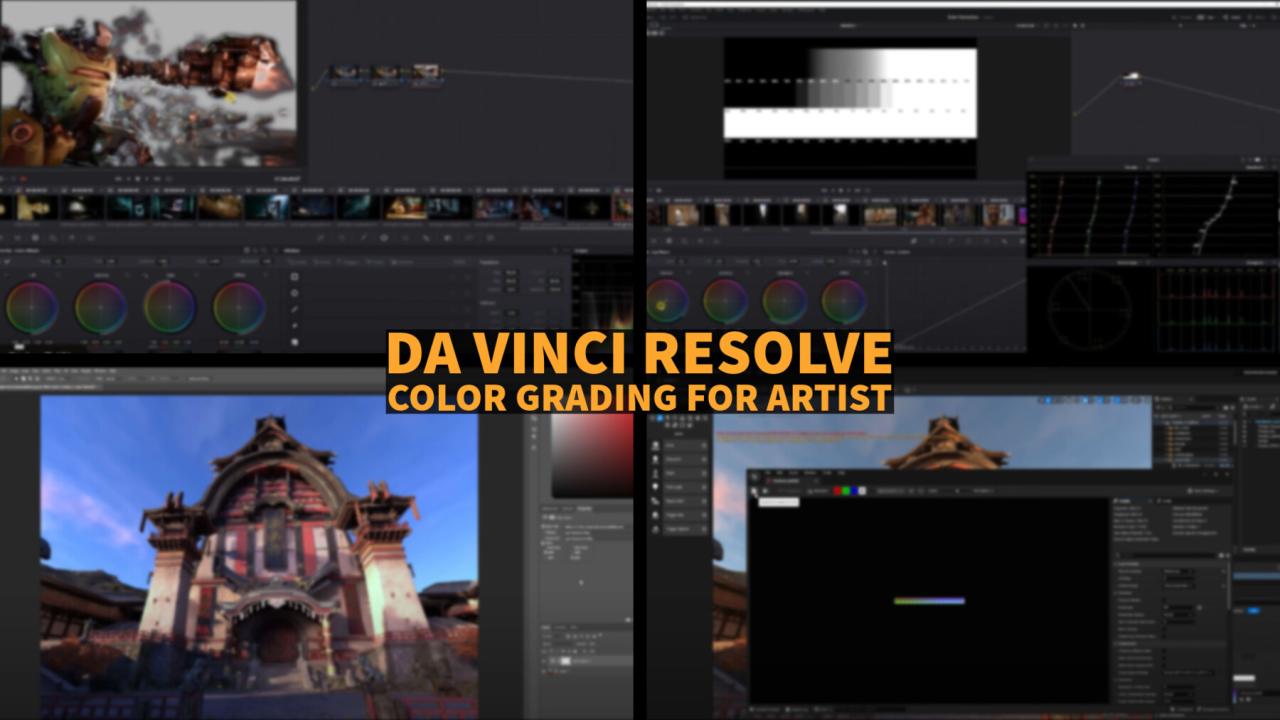
Color grading is a critical aspect of video editing, and DaVinci Resolve Studio offers a variety of tools for achieving professional-grade results. The primary color grading tools available include the Color Wheels, Curves, and LUTs (Look-Up Tables), enabling editors to manipulate colors and tones with precision.
To effectively use the Color page, editors can follow a systematic process: start with basic corrections using the Color Wheels to adjust exposure, contrast, and saturation. Then, utilize the Curves to fine-tune specific colors and tones. The ability to create custom LUTs can further enhance the visual storytelling of a project.
Different color grading styles serve various applications in film. For instance, a warm color grade can evoke nostalgia and comfort, while a cooler palette might be used to convey tension or unease. Examples of popular styles include the teal and orange look commonly used in action films to create contrast.
Editing Workflows
The editing workflow within DaVinci Resolve Studio is structured to facilitate a smooth and efficient editing process. The step-by-step workflow involves importing media, organizing projects, editing, applying effects, and finally exporting the finished product.
To ensure an organized project, editors can utilize the following checklist:
- Create folders for different media types (videos, audio, images).
- Label and categorize clips for easy access.
- Utilize bins to separate scenes or sequences.
- Employ markers to annotate important moments in the timeline.
Timelines, bins, and markers play a crucial role in managing the editing process. Timelines allow for layering and arranging clips, while bins help keep the media organized. Markers facilitate quick access to significant points, enhancing the overall efficiency of the edit.
Advanced Editing Features
DaVinci Resolve Studio provides several advanced editing functions that elevate the editing experience. Multi-cam editing allows users to synchronize and switch between several camera angles seamlessly. Keyframing, on the other hand, enables precise control over effects and animations, adding dynamism to edits.
The software also boasts an array of effects and transitions that can enhance the visual appeal of the content. Editors can choose from standard transitions like dissolves and wipes, or explore more complex effects to create unique looks.
For audio enhancement, the Fairlight toolset is integrated within DaVinci Resolve Studio, providing powerful audio editing capabilities. Features like equalization, dynamics processing, and sound design tools help in achieving a polished sound that complements the visuals.
Collaboration and Exporting, DaVinci Resolve Studio – Color Grading & Editing – Blackmagic Design
Collaboration features in DaVinci Resolve Studio enable multiple users to work on the same project simultaneously, which is particularly beneficial for larger teams. These features include project sharing, version control, and real-time updates, ensuring all collaborators are on the same page.
Exporting projects is straightforward, with options to output in various formats and resolutions to cater to different platforms such as YouTube, Vimeo, or broadcast. Best practices for exporting include choosing the appropriate codec for the desired output and maintaining a high-quality master file for future edits.
Archiving projects effectively is vital to ensure quality preservation. This involves saving project files, media, and associated assets in organized folders, along with documentation of project specifications for easy retrieval.
Learning Resources
To master DaVinci Resolve Studio, users can benefit from a variety of online tutorials and courses. Recommended resources include:
- Official Blackmagic Design training videos.
- Online courses on platforms like Udemy or Coursera.
- YouTube channels dedicated to video editing techniques.
Additionally, communities and forums, such as the Blackmagic Design Forum and Reddit’s r/DaVinciResolve, provide platforms for users to exchange tips and tricks. Staying updated with the official Blackmagic Design documentation ensures users are aware of the latest features and updates, facilitating ongoing learning and growth in their editing skills.