Swimwear hardware plays a crucial role in the overall design and functionality of swimwear. It encompasses various components such as clasps, rings, and zippers, which not only serve practical purposes but also enhance the aesthetic appeal of swimwear. Understanding the significance of swimwear hardware helps designers create durable and stylish pieces that meet the demands of both fashion and functionality.
Different materials are utilized in swimwear hardware, each offering unique properties like corrosion resistance and flexibility, which are essential for a comfortable fit in aquatic environments. The right choice of hardware can greatly influence the longevity and wearability of swimwear, making it a vital aspect of swimwear design that deserves attention.
Swimwear Hardware Overview
Swimwear hardware refers to the various fastening and decorative elements used in swimwear design. These components play a crucial role not only in function but also in enhancing the overall aesthetic of swimwear. The significance of swimwear hardware lies in its ability to provide stability, comfort, and a polished look to swimwear pieces.
The types of hardware commonly used in swimwear include clasps, rings, sliders, and zippers. Clasps secure the fit of swimwear, ensuring it stays in place during movement. Rings and sliders are often used in adjustable straps, allowing for a customizable fit, while zippers can be found in some swimwear designs for ease of wear.
Materials used for swimwear hardware typically include stainless steel, plastic, and nickel-free options. Stainless steel offers excellent durability and resistance to corrosion, making it ideal for swimwear that is frequently exposed to water. Plastic hardware, while lightweight and cost-effective, may not provide the same level of durability. Nickel-free options cater to those with sensitivities, ensuring comfort without compromising on style.
Key Features of Swimwear Hardware
Swimwear hardware must possess certain features to be functional and durable. Key characteristics include strength, flexibility, and resistance to wear over time. The materials chosen for swimwear hardware must withstand exposure to chlorinated water, saltwater, and UV rays without degrading.
Corrosion resistance is particularly important because swimwear is often worn in wet environments. Hardware that can resist rust and deterioration ensures longevity and maintains the appearance of the swimwear.
Design also plays a significant role in the comfort and aesthetics of swimwear. Smooth edges and ergonomic shapes can prevent irritation against the skin, while innovative designs can add visual interest and flair to the overall swimsuit design.
Manufacturing Processes of Swimwear Hardware
The manufacturing of swimwear hardware involves various techniques to create durable and functional components. Common methods include die casting for metal parts and injection molding for plastic components. Each method is chosen based on the material and desired properties of the finished product.
Technology has significantly influenced swimwear hardware production. Advanced machinery allows for precise manufacturing, which enhances the quality of the hardware. Additionally, 3D printing has emerged as a method for creating prototypes and custom fittings, giving designers more flexibility in their creations.
Quality control measures are essential in swimwear hardware manufacturing to ensure that every piece meets industry standards. This includes testing for strength, corrosion resistance, and overall functionality to guarantee that the hardware will perform well in real-world conditions.
Trends in Swimwear Hardware
Current trends in swimwear hardware design emphasize sustainability and innovation. Designers are increasingly opting for eco-friendly materials, such as recycled plastics and biodegradable options, to minimize environmental impact.
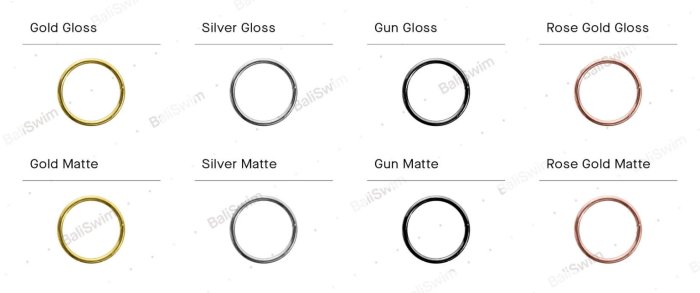
Fashion trends also influence the choices in swimwear hardware. Metallic finishes and bold colors are gaining popularity, allowing for hardware that complements the vibrant patterns often found in swimwear.
Sustainable practices in production are becoming more common, with brands focusing on reducing waste and choosing ethically sourced materials. This shift not only appeals to environmentally conscious consumers but also enhances the brand’s reputation in a competitive market.
Maintenance and Care for Swimwear Hardware
Proper care for swimwear hardware is essential to ensure its longevity and functionality. Rinsing swimwear in fresh water after exposure to chlorine or salt can prevent damage to hardware. It is advisable to avoid abrasive cleaning materials that could scratch or wear down the hardware.
Common issues encountered with swimwear hardware include corrosion, wear and tear, and breakage. To address these concerns, periodic inspections should be conducted to identify any signs of damage early on.
Periodic inspections for damages are critical in maintaining swimwear hardware. Regular checks can help identify any weakened components, ensuring that the swimwear remains safe and functional during use.
Innovations in Swimwear Hardware
Recent innovations in swimwear hardware focus on improving functionality and comfort. Examples include magnetic closures that provide ease of use without compromising on security, and quick-drying materials that enhance the user experience.
Smart technology is making its way into swimwear hardware, with developments like integrated sensors that monitor water temperature or track performance metrics for the swimmer. This integration of technology not only improves usability but also offers new interactive experiences for users.
The future of swimwear hardware advancements holds great potential, with the possibility of further integration of technology and materials that prioritize sustainability. Innovations such as self-repairing materials and adaptive designs are anticipated, allowing swimwear to evolve alongside the user’s needs and environmental considerations.